



Rental Property Cleanouts in Rock Spring, GA: Turn Units Over Faster
The tenant's keys are back and the unit is empty — except it isn't. There's a couch in the living room that wasn't worth moving, a mattress in the back bedroom, half a garage of accumulated boxes, and carpet that stopped being salvageable two tenants ago. Somewhere under all of it is a rental that could be earning again.
Every day that unit sits is a day of lost rent, and the cleanout is what stands between the move-out and the first showing. For landlords and property managers around Rock Spring, GA, getting debris off the property quickly is less about tidiness and more about arithmetic.
This article covers what turnovers actually produce, how to size a container for one, how to sequence the work so nothing stalls, and what to line up before the move-out date.
Why Turnover Speed Is the Whole Game
Vacancy is the most expensive thing that happens to a rental property, and cleanout delays are one of the most avoidable causes of it.
The pattern is familiar. The tenant moves out on the first. The landlord walks it on the second and realizes the scale of what's left. Then a week goes by figuring out how to move a couch and a mattress with a pickup. Painters can't start because the rooms aren't clear. Flooring can't go in because the old carpet is still down. The unit that could have been listed on the fifth doesn't get listed until the twentieth.
Almost all of that delay traces back to one thing: nowhere to put the debris. Having a container on site the day of the walkthrough compresses that timeline dramatically, because clearing and repairing can happen in parallel instead of in sequence.
What Actually Comes Out of a Rental Turnover
Turnovers vary, but the debris tends to fall into three groups.
Left-behind belongings
Furniture that wasn't worth the truck. Mattresses and box springs. Boxes in closets and garages. Kitchen items, small appliances, clothing, and the general residue of a household that moved in a hurry. This is usually the bulkiest category and the fastest to load.
A practical note: some items may be worth donating rather than discarding. Sorting takes time, but usable furniture and appliances in decent condition can go somewhere useful Habitat for Humanity ReStore locations accept many household and building materials, and it's worth checking the nearest one before everything goes in the container.
Flooring and fixtures
Carpet and pad, vinyl and laminate, damaged baseboards, old blinds, and light fixtures being replaced. Carpet is deceptive — a full unit's worth of rolled carpet and pad takes up far more room than most people expect, especially once it's cut into manageable sections.
Renovation debris
If the turnover includes real work — cabinets, countertops, drywall repair, a bathroom vanity, a water heater — that material stacks on top of everything else. Renovation debris is heavier per cubic yard than household items, so mention it specifically when you call. Heavy or specialized materials may require separate approval.
Sizing a Container for a Rock Spring Turnover
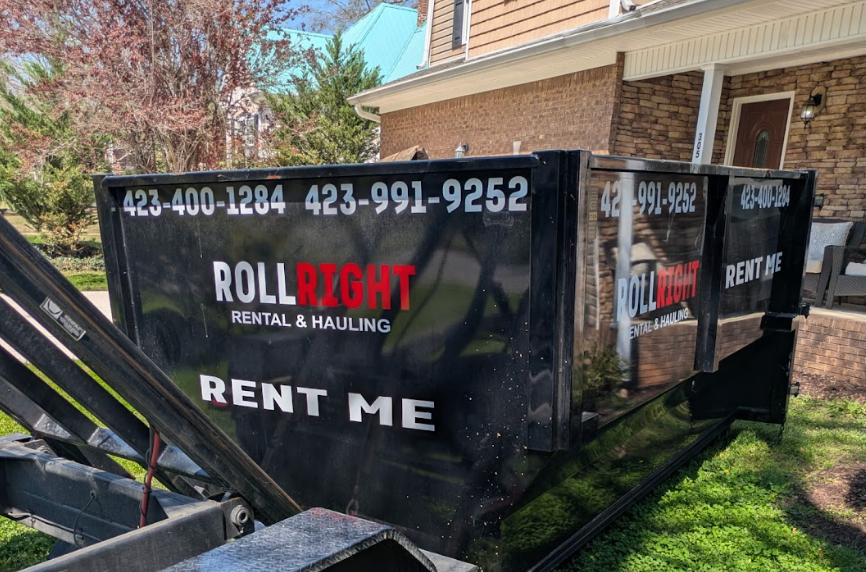
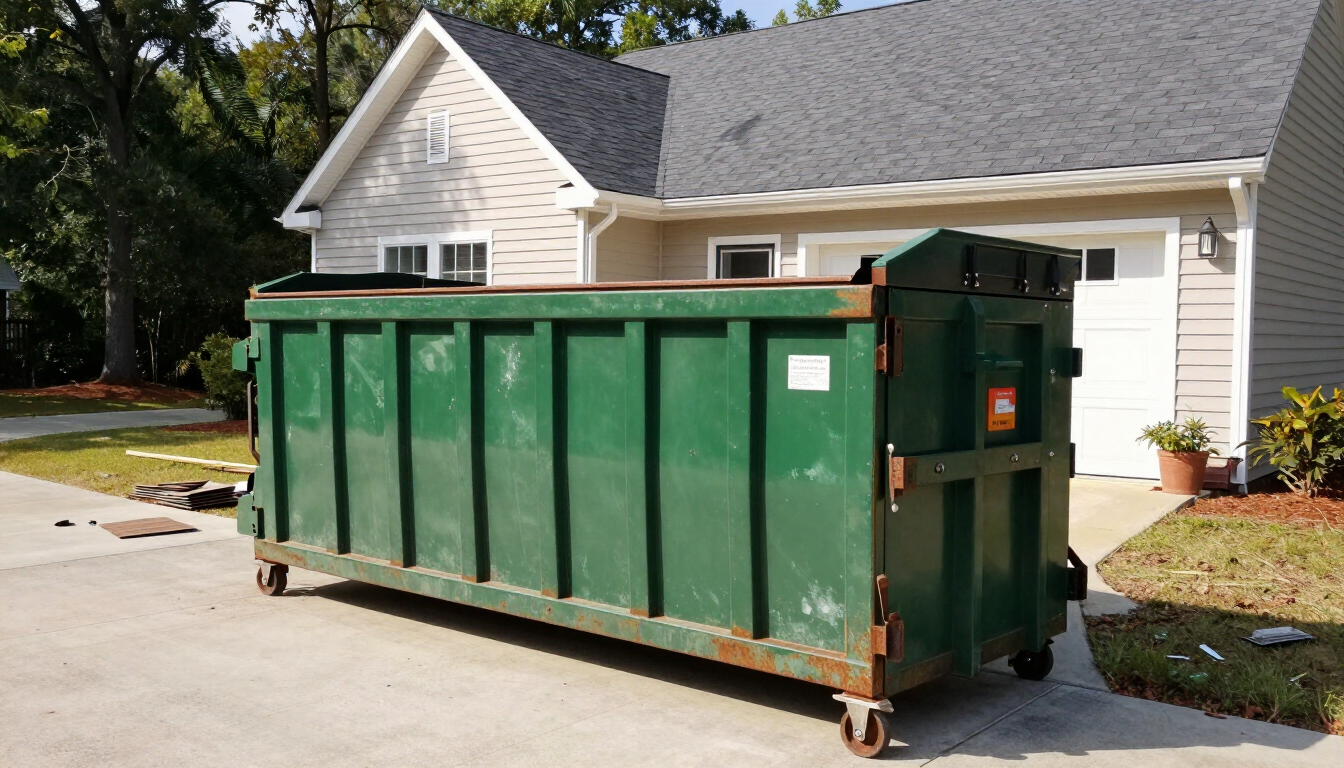
RollRight's 12-yard and 16-yard roll-off dumpsters cover most turnover work. A few questions point you toward the right one:
- How big is the unit? A one-bedroom apartment and a three-bedroom house produce very different volumes.
- How much was left behind? A clean move-out with a few odds and ends is a different job than a unit abandoned with the furniture in place.
- Is flooring coming out? Carpet across a whole unit takes real space.
- Is there renovation work? Cabinets and fixtures add both volume and weight.
- Is there a garage, shed, or attic? These get overlooked in the walkthrough and often hold more than the living space.
If you manage multiple properties and turn units regularly, it's worth describing a typical turnover once over the phone. After that, booking becomes routine.
Sequencing the Cleanout So Nothing Sits Idle
The order of operations makes a bigger difference than the labor does.
- Walk the unit before the container arrives. Know what's coming out so you can size correctly and estimate the labor.
- Schedule delivery for the day work begins — not two days later. The container should be waiting when the crew shows up.
- Sort before you load. Pull anything donatable first. Once it's in the container, that decision is made.
- Clear room by room, not category by category. Finishing rooms completely lets painting and repairs start in the cleared ones while you're still working elsewhere.
- Do flooring after the furniture is out. Obvious, but it gets done backwards surprisingly often.
- Schedule pickup as soon as loading finishes. Don't let the container sit on the property once it's full — you may want the driveway clear for contractors and showings.
The U.S. Environmental Protection Agency provides guidance on reducing and reusing household materials, which is worth a look if you're regularly turning units and want to keep usable items out of the waste stream.
One more scheduling note: confirm acceptable and prohibited materials before you start loading. Turnovers surface odd items — paint cans, cleaning chemicals, electronics, tires — and some of those need separate handling.
Why Walker County Landlords Work With Local Rental Companies
Turnovers rarely go exactly to plan. A tenant leaves late. A contractor moves a start date. Rain pushes exterior work.
Working with a local company means the scheduling conversation is a phone call with someone who knows the roads to your property, not a queue with a regional call center. RollRight Rental & Hauling is family-owned and serves Rock Spring and communities throughout Walker County, which makes adjusting a delivery or pickup a straightforward conversation rather than a ticket.
For anyone managing several units, that responsiveness compounds. The difference between a same-week schedule change and a two-week wait shows up directly in vacancy days.
Frequently Asked Questions
Does RollRight offer dumpster rentals in Rock Spring, GA?
Yes. RollRight Rental & Hauling delivers roll-off dumpsters throughout Rock Spring and Walker County for rental turnovers, property cleanouts, and renovation projects. Call (423) 991-9252 to check availability for your dates.
What size dumpster do I need for a rental property cleanout?
It depends on the unit size, how much was left behind, and whether flooring or renovation work is included. RollRight offers 12-yard and 16-yard roll-off dumpsters. Describe the property when you call and RollRight can help you match the container to the job.
Can I put carpet and furniture in a rental dumpster?
Household furnishings and flooring are common cleanout materials. Acceptable materials can vary, so confirm what's allowed with RollRight before you begin loading.
What can't go in a dumpster during a cleanout?
Certain items — including some chemicals, electronics, and specialty materials — may require separate handling. Turnovers tend to surface these, so ask about anything you're unsure of rather than loading it.
When should I schedule delivery for a move-out?
Ideally for the day cleanout work begins, right after your walkthrough. Having the container waiting lets clearing and repairs run in parallel instead of one after the other.
How long can I keep the dumpster?
Rental periods depend on the equipment and the project. Confirm current terms when you book so the container timeline matches your turnover schedule.
Do you work with property managers handling multiple units?
Yes. RollRight serves landlords, property managers, and investors across Walker, Catoosa, and Chattooga Counties. Call to discuss recurring turnover scheduling.
Get the Unit Back on the Market
The faster the debris leaves, the faster the repairs start, and the faster the listing goes live. That sequence is worth protecting.
Turning over a rental in Rock Spring, GA? Call RollRight Rental & Hauling at (423) 991-9252 to schedule dumpster delivery around your move-out date. Have your unit size and cleanout start date ready and the booking takes a few minutes. You can also request a dumpster delivery through the contact form.