



12-Yard vs. 16-Yard Dumpsters: Choosing the Right Size for Your Cleanup Project
So, you've got a big cleanup project coming up. Maybe you're finally tackling that kitchen remodel, or perhaps it's time to clear out the garage. One of the first things you'll need to figure out is what size dumpster to rent. It's not as simple as just picking the biggest one; you want something that fits your needs without costing you extra. We'll break down the common choices, like the 12-yard vs 16-yard dumpster rental, to help you make the best decision for your specific job.
Key Takeaways
- When comparing a 12-yard vs 16-yard dumpster rental, consider the amount and type of debris. Smaller, moderate jobs might fit a 12-yard, while slightly larger ones could need a 16-yard.
- Think about the project scope: a bathroom remodel or garage cleanout might be fine with a 12-yard, but a deck tear-off or larger renovation could lean towards a 16-yard or even bigger.
- Heavy materials like concrete or dirt take up less space but weigh more, potentially affecting dumpster capacity and cost, regardless of whether you choose a 12-yard or 16-yard.
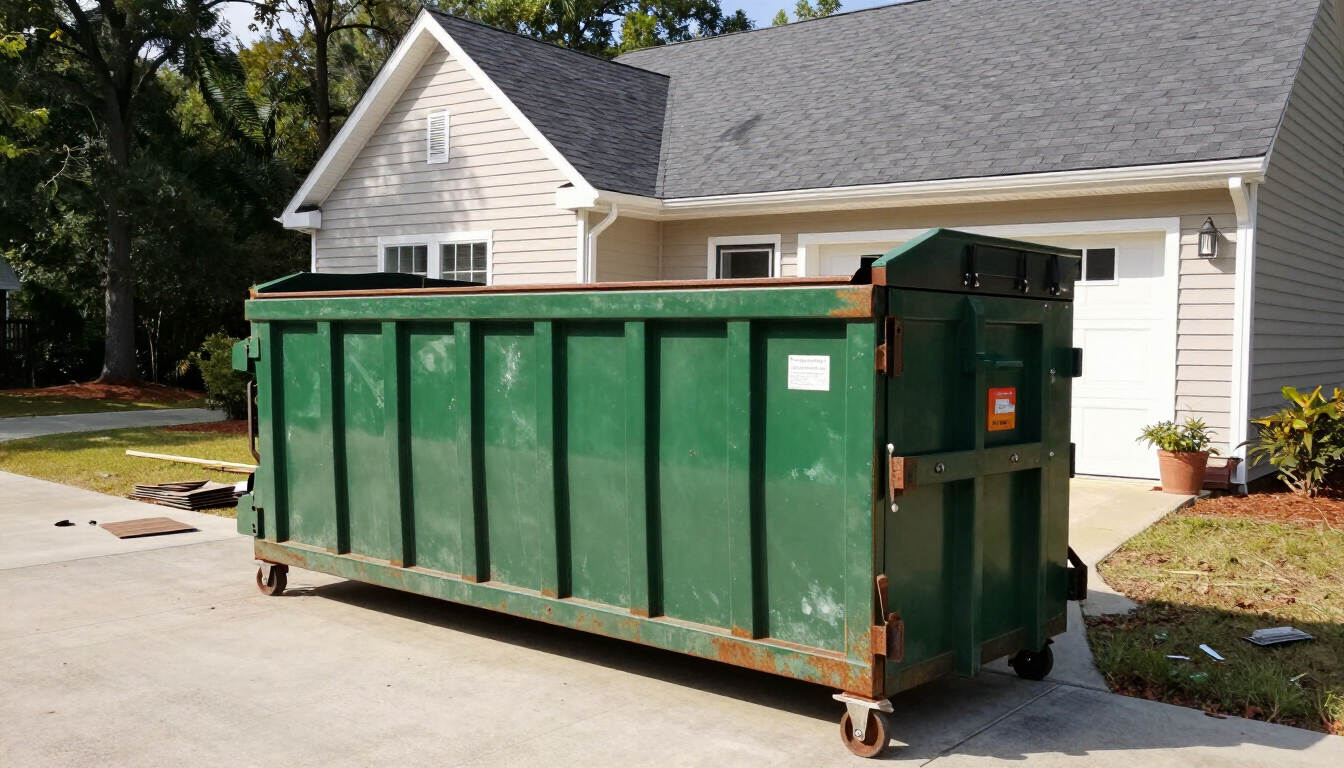
- Always check the dimensions of the dumpster you're considering. Even if the cubic yardage seems right, ensure it will physically fit in your desired drop-off location.
- Don't guess your debris volume. It's better to slightly overestimate and rent a 16-yard if you're unsure between a 12-yard and 16-yard, rather than needing a second dumpster or an extra pickup.
1. Kitchen Renovation
Kitchen renovations can get messy, and fast. You're tearing out old cabinets, maybe ripping up tile or linoleum, and dealing with all sorts of construction scraps. Choosing the right dumpster size is key to avoiding extra trips or paying for space you don't need.
For a typical kitchen remodel, you're probably looking at a 12-yard or 15-yard dumpster. These sizes are usually good for handling the debris from removing cabinets, countertops, and maybe some flooring. If you're doing a more extensive overhaul, like knocking down walls or replacing a significant amount of cabinetry and appliances, you might need to step up to a 20-yard dumpster. It's always better to have a little extra room than to run out of space halfway through the job.
Here's a quick rundown of what to consider:
- Cabinetry: Old wooden cabinets can take up a surprising amount of space.
- Flooring: Whether it's tile, vinyl, or old hardwood, flooring debris adds up.
- Countertops: Granite or quartz countertops are heavy and bulky.
- Appliances: If you're replacing your fridge, oven, or dishwasher, they need a place to go.
Remember to think about the type of materials you'll be disposing of. Heavy items like stone countertops or thick tile can quickly add up in weight, and dumpsters have weight limits. It's worth checking with your rental company about these limits before you fill it to the brim.
If you're unsure, it's often recommended to go with the slightly larger size. A 20-yard dumpster is a popular choice for many kitchen remodels because it offers flexibility. You can usually fit this size in your driveway without too much trouble, and it provides ample space for most kitchen renovation projects like this one.
2. Bathroom Remodel
When you're tackling a bathroom remodel, even a small one, you'll be surprised at how much stuff comes out. Think old tiles, a vanity, maybe a tub or shower stall, pipes, drywall, and all the little bits and pieces that add up. Choosing the right dumpster size is key to avoiding extra trips or paying for space you don't need.
For most bathroom renovations, a 10-yard or 15-yard dumpster is usually the sweet spot. A 10-yard container is often enough for smaller bathrooms or projects that only involve swapping out fixtures and maybe some tile. If you're doing a more involved renovation, like replacing a tub with a shower or dealing with a larger space, the 15-yard option gives you a bit more breathing room.
Here’s a quick rundown of what to consider:
- Fixtures: Sinks, toilets, and bathtubs can be bulky and awkward.
- Tiling: Old ceramic or porcelain tiles can be heavy and take up space.
- Demolition Debris: Drywall, wood framing, and old plumbing all contribute to the waste pile.
- Packaging and Materials: New materials often come with a lot of packaging.
It's always better to overestimate slightly than to run out of space. If you do fill up your dumpster before the job is done, many rental companies offer an empty-and-return service, where they swap out your full bin for a fresh one. This keeps your project moving without major interruptions.
Remember that bathroom debris, especially tile and old fixtures, can be quite dense. While the overall volume might not seem huge compared to other projects, the weight can add up quickly. Always check the weight limits for your chosen dumpster size to avoid unexpected fees.
3. Garage Cleanout
Okay, so you're finally tackling that garage. We all have one, right? That space where things go to live out their final days, buried under old paint cans and forgotten sports equipment. Getting a garage cleanout done can feel like a huge task, but it's totally doable with the right plan.
When you start pulling stuff out, you'll quickly realize how much junk accumulates. Think about what you're getting rid of. Is it mostly old furniture, broken tools, maybe some leftover construction materials from that project you never finished? The type of debris really matters when you're picking a dumpster.
Here’s a quick rundown of what to consider:
- Volume: How much stuff do you really have? Try to estimate if it's a few piles or mountains of boxes.
- Weight: Heavy items like concrete, old appliances, or piles of dirt add up fast. Make sure the dumpster you choose can handle the weight.
- Space: Where will the dumpster sit? Garages are often tight spaces, so you need to make sure there's enough room for delivery and pickup, and that it won't block your driveway completely.
For most garage cleanouts, a 12-yard or 16-yard dumpster is usually a good bet. It’s big enough for a decent amount of junk without being overkill. You don't want to end up paying for a huge bin if you only fill half of it, but you really don't want to run out of space halfway through the job.
Remember to check the weight limits for your dumpster rental. Sometimes, even if the junk fits, the weight can be an issue, leading to extra fees. It's always better to ask your rental company about their specific limits for dumpster sizes.
Don't forget to clear out any hazardous materials separately, as most dumpster services won't take things like chemicals or batteries. Once you've got your dumpster booked, it's time to get to work. You might be surprised how much better your garage looks – and feels – once it's all cleared out.
4. Attic Cleanout
Attics can become a black hole for forgotten items, old holiday decorations, and things you swore you'd 'get to someday.' When it's finally time to tackle that dusty space, you'll need a plan for all the stuff you unearth. A 10-yard or 12-yard dumpster is often the sweet spot for attic cleanouts. These smaller sizes are usually sufficient for the volume of items you'll find, and they're easier to place in tighter spots, like driveways with limited space.
When clearing out your attic, think about:
- The sheer volume of accumulated items over the years.
- Whether you're tossing mostly light, bulky things or heavier materials.
- The accessibility of your attic and how you'll get the debris down.
It's easy to underestimate how much can pile up in an attic. You might be surprised by the amount of old clothing, forgotten toys, and general clutter that comes down.
Remember that even though attics often contain lighter items, the sheer quantity can add up. It's better to have a little extra space than to run out of room mid-project. Consider ordering a dumpster that can handle a bit more than you think you'll need, just in case. This avoids the hassle of needing a second rental or dealing with overflow.
If you're dealing with a particularly large attic or one that hasn't been touched in decades, you might consider a slightly larger dumpster, but for most typical attic cleanouts, the smaller 10-yard or 12-yard options are your best bet. They're cost-effective and perfectly suited for this kind of job.
5. Basement Declutter
Basements can turn into a black hole for stuff you don't know what to do with. Old furniture, forgotten hobbies, boxes of who-knows-what – it all piles up. Tackling a basement declutter is a big job, and you'll likely generate more waste than you think. A 12-yard dumpster is often a good starting point for this kind of project. It's not the smallest size, but it's also not massive, making it suitable for a significant amount of household junk without being overkill.
When you're clearing out a basement, think about:
- The sheer volume: Basements are often deep and can hold a lot more than you realize. Those boxes you haven't opened in years? They add up.
- Bulky items: You might find old appliances, furniture pieces, or even construction scraps from past DIY attempts that take up a lot of space.
- Weight considerations: While volume is key, don't forget that heavy items like old concrete or packed boxes can add up in weight quickly. Always check the weight limits for your chosen dumpster.
It's easy to underestimate how much stuff is lurking in the dark corners of your basement. You might be surprised by how quickly a dumpster fills up. If you're dealing with a particularly packed basement or planning to clear out multiple areas, you might even consider a slightly larger 16-yard dumpster to be safe. It's better to have a little extra space than to run out and have to order a second one.
Remember, the goal is to get everything out efficiently. A dumpster rental simplifies the process by giving you one central place to put all the unwanted items, making the hauling away part much easier. You can then focus on organizing what's left or planning your next steps for the space.
6. Flooring Removal
Removing old flooring can create a surprising amount of debris. Whether you're pulling up carpet, tile, hardwood, or laminate, the old material adds up quickly. A 12-yard dumpster is often a good choice for flooring removal projects. It's not usually the heaviest material, but it can be bulky and take up space.
Here's what to consider when choosing a dumpster for your flooring project:
- Type of flooring: Some materials, like tile or concrete subflooring, can be heavier than carpet or vinyl. Always check the weight limits for your dumpster rental.
- Amount of flooring: Are you just doing one room, or are you tackling multiple areas of your house? Measure the space and estimate the volume of debris.
- Other project waste: If you're removing flooring as part of a larger renovation, you'll need to account for other waste like drywall, old cabinets, or construction scraps.
Don't underestimate the volume of old flooring. It might seem like it will all fit, but once it's ripped up, it can quickly fill a container. It's better to have a little extra space than to run out and have to order a second dumpster.
For a single room or a couple of smaller areas, a 12-yard dumpster should do the trick. If you're doing a whole house or a very large space, you might need to consider a 15-yard dumpster or even larger, depending on the specific materials and how much you're removing. It's always a good idea to call your dumpster rental provider and discuss the specifics of your project to get their recommendation.
7. Deck Tear-Off
Tearing down an old deck can create a surprising amount of debris. You've got the wooden planks, the support beams, maybe some old railings, and potentially even concrete footings if it was a more substantial build. Choosing the right dumpster size is key to avoiding multiple trips or an overflowing bin.
When planning for a deck tear-off, consider these points:
- Material Type: Pressure-treated lumber is heavier than standard wood. If your deck has been around for a while, it might also be waterlogged, adding more weight.
- Deck Size: A small 10x10 deck will produce less waste than a large, multi-level structure.
- Footings: If you're removing concrete footings, this adds significant weight and volume. Concrete is dense and can quickly fill up a dumpster.
For a typical deck removal, a 10-yard or 12-yard dumpster is often sufficient, especially if you're just dealing with the wood. However, if your deck is large, made of heavy materials, or includes concrete, you might need to step up to a 15-yard or even a 20-yard dumpster. It's always better to have a little extra space than not enough. You can use a deck removal dumpster size calculator to get a more precise estimate based on your deck's dimensions and materials.
Remember that dumpsters are measured by volume (cubic yards), but the weight of the debris is also a critical factor. Heavy materials like concrete or wet wood can quickly exceed weight limits, leading to extra fees or disposal issues. Always check the weight restrictions for the dumpster size you rent.
8. Roof Replacement
Replacing a roof is a big job, and it creates a lot of debris. We're talking old shingles, underlayment, maybe even some damaged wood. You'll need a dumpster that can handle all of that.
For most roof tear-offs, a 20-yard or 30-yard dumpster is usually the way to go. The exact size really depends on the size of your roof and how many layers of shingles you're dealing with. A small repair might get away with a 10-yarder, but for a full replacement, you'll want something bigger.
Here’s a quick rundown of what to consider:
- Shingle Volume: Asphalt shingles are heavy and bulky. You'll be surprised how much space they take up.
- Roof Size: A larger house means more roof area, which means more shingles to remove.
- Layers: If you have multiple layers of old shingles, that's more material to haul away.
- Wood Damage: Sometimes, you find rotten or damaged roof decking that needs to go too.
It's always better to have a little extra space than to run out. You don't want to be stuck with piles of old shingles sitting around your yard waiting for a second dumpster pickup. This can really slow down your project and add unexpected costs. Many companies offer dumpster rentals for roofing projects that are specifically sized for this kind of work.
When you're getting quotes, make sure to ask about weight limits. Shingles are dense, and you can hit those limits faster than you think. A dumpster that's too small can lead to extra fees or delays if it gets too heavy before it's full.
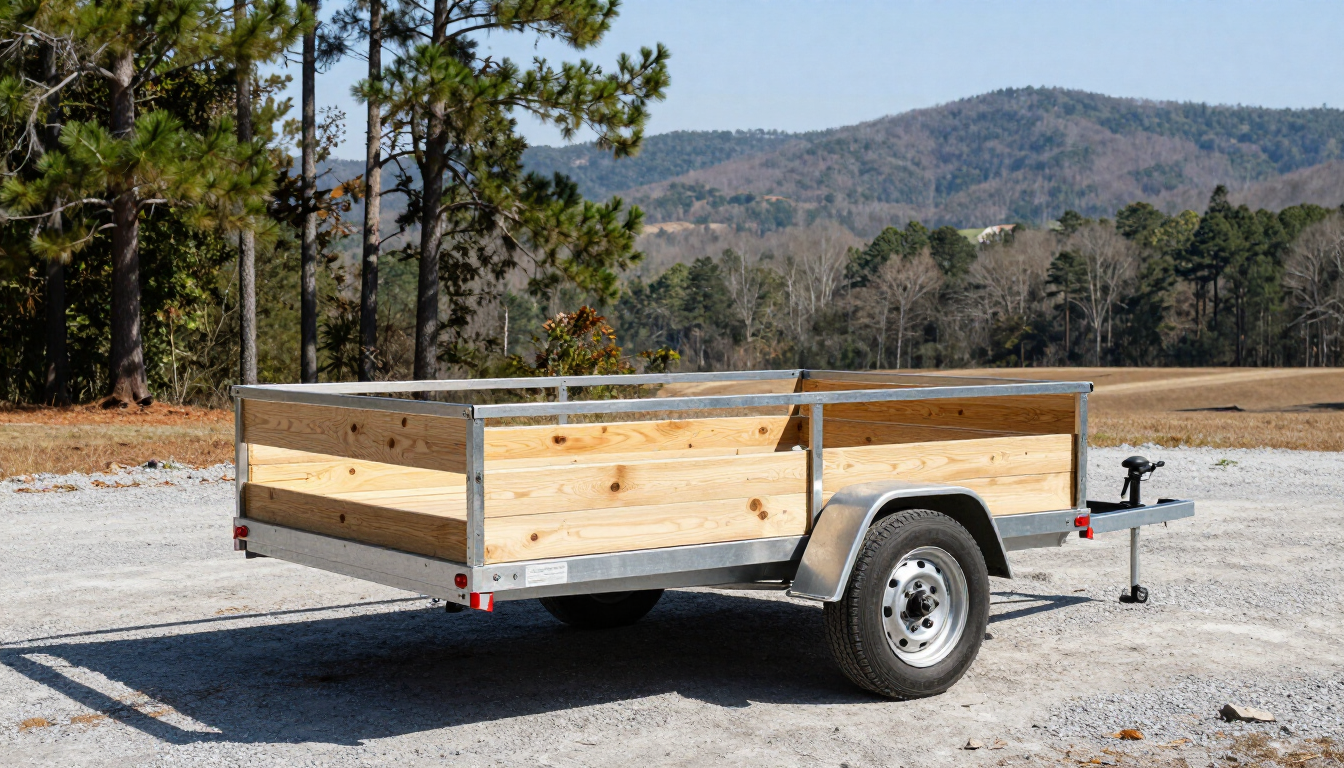
Don't forget to think about where the dumpster will be placed. You'll need a spot that's accessible for the delivery truck and won't block any important pathways. Some homeowners opt for a trailer rental if they have a lot of material but are concerned about space or driveway damage.
9. Yard Cleanup
When it comes to cleaning up your yard, whether it's after a big storm or just a season of neglect, you've got to think about the sheer volume of stuff you'll be tossing.
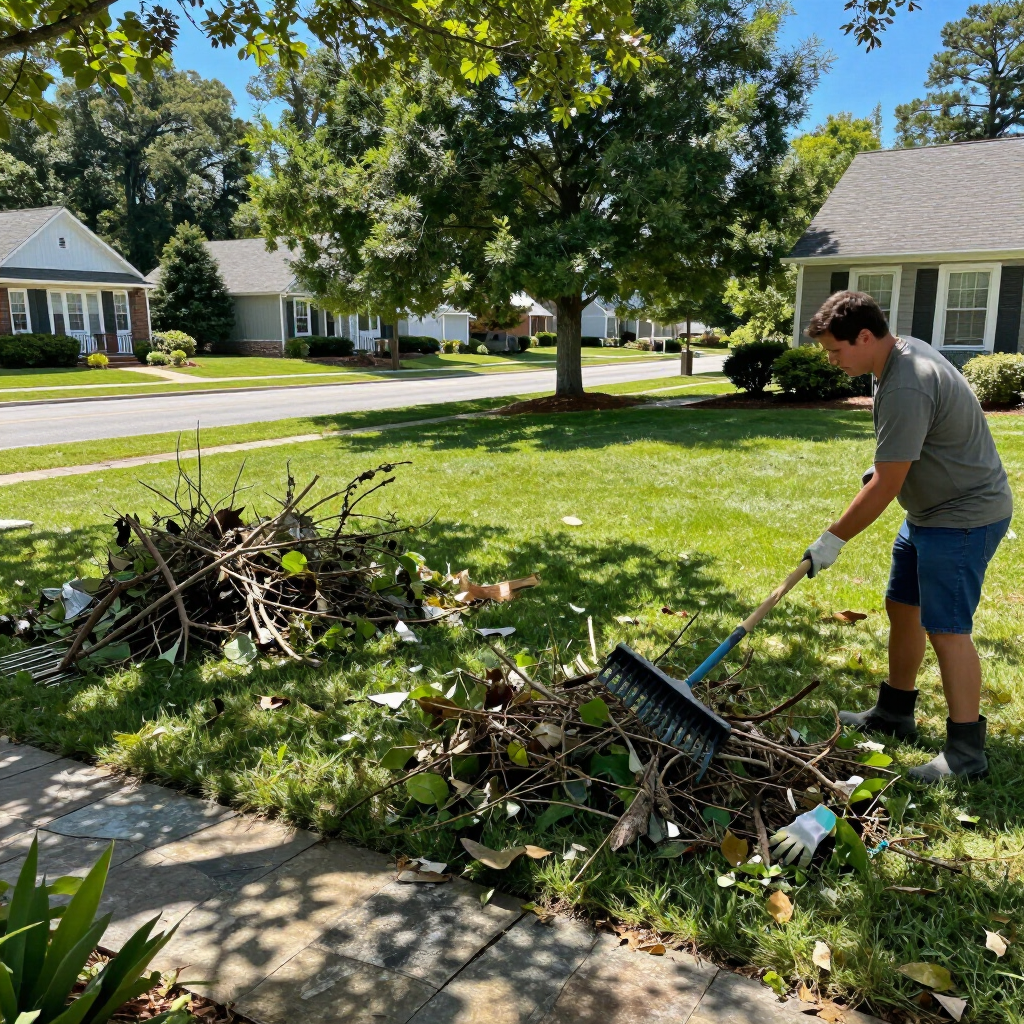
Yard cleanup can involve a surprising amount of material. You might be dealing with fallen branches, leaves, old landscaping materials, soil, and maybe even some broken patio furniture. It's easy to underestimate how much space all that takes up.
Here’s a quick rundown of what you might encounter:
- Branches and brush
- Fallen leaves and grass clippings
- Old sod or soil
- Debris from landscaping projects
- Discarded garden tools or furniture
For most typical yard cleanups, a 10-yard or 12-yard dumpster is often sufficient. These sizes are good for general yard waste and won't take up too much space on your property. However, if you're undertaking a major landscaping overhaul, clearing out a large number of trees, or dealing with significant storm damage, you might need to step up to a larger size, like a 20-yard dumpster. It's always better to have a little extra room than to run out of space mid-project. Remember, dumpster rental services can help streamline the whole process, saving you time and effort.
When you're figuring out what size dumpster you need for your yard work, think about both the volume and the weight of the debris. Heavy items like dirt or sod can fill up a dumpster quickly and add a lot of weight, which might affect your dumpster's weight limit. Always check with your rental provider about these limits to avoid extra charges.
10. Tree Removal
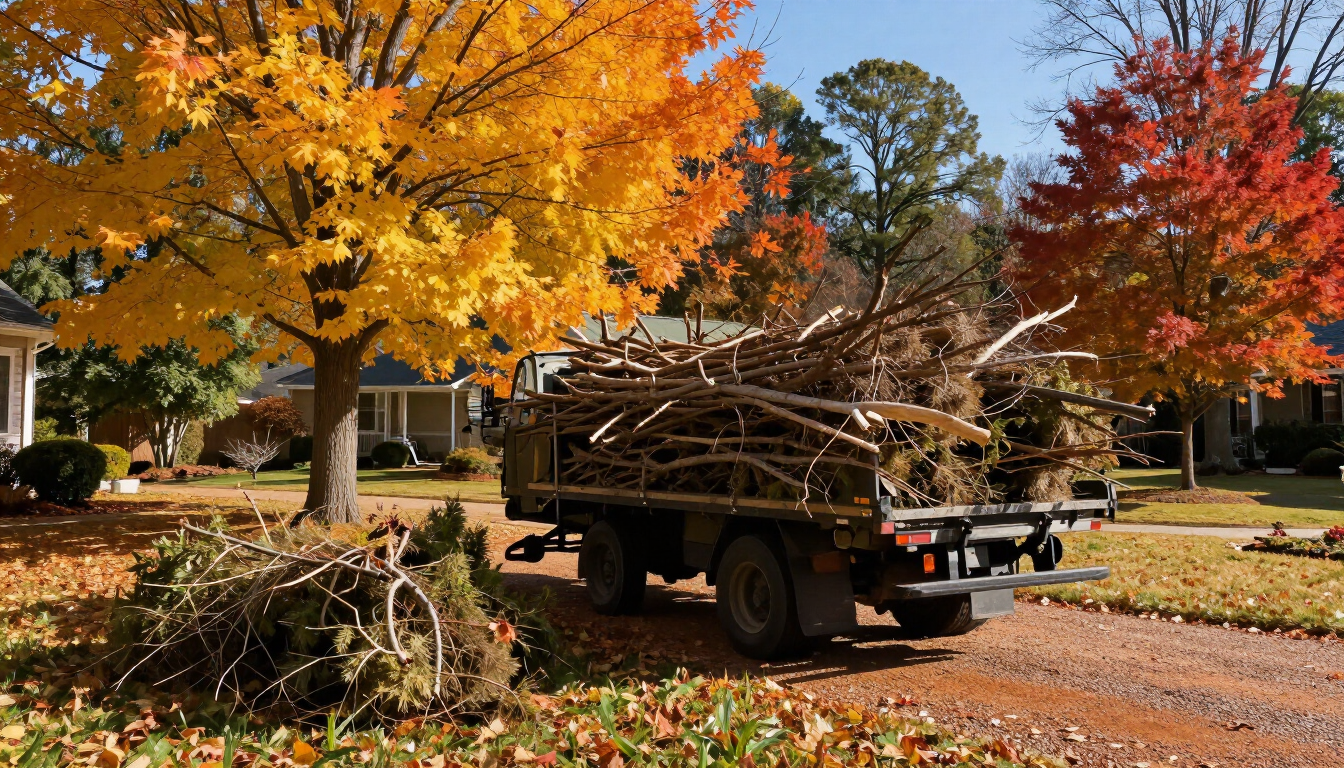
When you've got a tree that needs to come down, whether it's due to storm damage, disease, or just making way for a new landscape, you're going to end up with a lot of debris. We're talking branches, logs, leaves, and maybe even some dirt if the roots are involved. This kind of mess can pile up fast.
For a typical tree removal job, you'll likely be dealing with a good amount of organic material. Think about the size of the tree – a big old oak is going to produce way more waste than a smaller ornamental tree. You'll want a dumpster that can handle the volume, and sometimes, the weight too, especially if the wood is wet.
Here’s what to consider when picking a dumpster for tree removal:
- Volume of Debris: Estimate how much space the branches, trunk sections, and leaves will take up. It's always better to have a little extra room than to run out.
- Weight of Wood: Logs can be surprisingly heavy. If you're removing a large tree, the wood's weight could be a factor, so check the dumpster's weight limit.
- Site Accessibility: Make sure the dumpster can be delivered and picked up without issue. Low-hanging branches or wires near the drop-off spot can be a problem.
For most tree removal projects, a 12-yard or 16-yard dumpster is usually a good starting point. However, if you're taking down multiple large trees or dealing with a significant storm cleanup, you might need to look at larger options, like a 20-yard or even a 30-yard dumpster, especially if you're also dealing with other project debris. It's worth checking out how to rent a 12-yard dumpster to get a feel for what that size can handle, but remember trees are bulky!
When planning for tree removal, remember that the wood itself can be quite dense. If you're removing a large, mature tree, the sheer volume and weight of the logs and branches can quickly fill up a smaller container. It's wise to overestimate your needs slightly to avoid a second dumpster rental or a messy overflow situation.
11. Estate Cleanout
Dealing with an estate cleanout can feel overwhelming, especially when you're handling it alongside other emotional tasks. It's not just about clearing out a house; it's often about sorting through a lifetime of memories and belongings. Choosing the right dumpster size is key to making this process smoother. You don't want to be stuck with a dumpster that's too small, forcing multiple trips or leaving you with piles of stuff still needing disposal. On the flip side, renting a dumpster that's way too big can be a waste of money.
When tackling an estate cleanout, think about the sheer volume of items. This usually involves furniture, clothing, books, kitchenware, and potentially larger items like pianos or old appliances. A 20-yard dumpster is often a good starting point for a whole-house cleanout, as it offers a decent amount of space without being excessively large. However, for larger homes or those with extensive storage areas like attics and basements, a 30-yard dumpster might be a more practical choice. It's always better to have a little extra room than to run out.
Here are a few things to consider:
- Scope of the Cleanout: Is it a small apartment or a large family home? Are there multiple buildings on the property?
- Type of Debris: Beyond general household items, will you be disposing of heavy materials like old concrete, bricks, or large amounts of wood?
- Timeframe: How much time do you have to complete the cleanout? A larger dumpster might allow you to clear more in one go.
Remember to check the weight limits for your chosen dumpster size. While volume is important, heavy items can quickly add up and exceed the capacity, leading to extra fees. It's wise to get a clear understanding of these limits from your dumpster rental provider.
If you're unsure, it's often best to err on the side of caution and rent a slightly larger dumpster. Many companies offer services like an empty-and-return if your first dumpster fills up faster than expected, which can be a lifesaver during a complex estate cleanout. Planning ahead and selecting the appropriate dumpster size can significantly reduce the stress associated with this challenging task.
12. Concrete Disposal
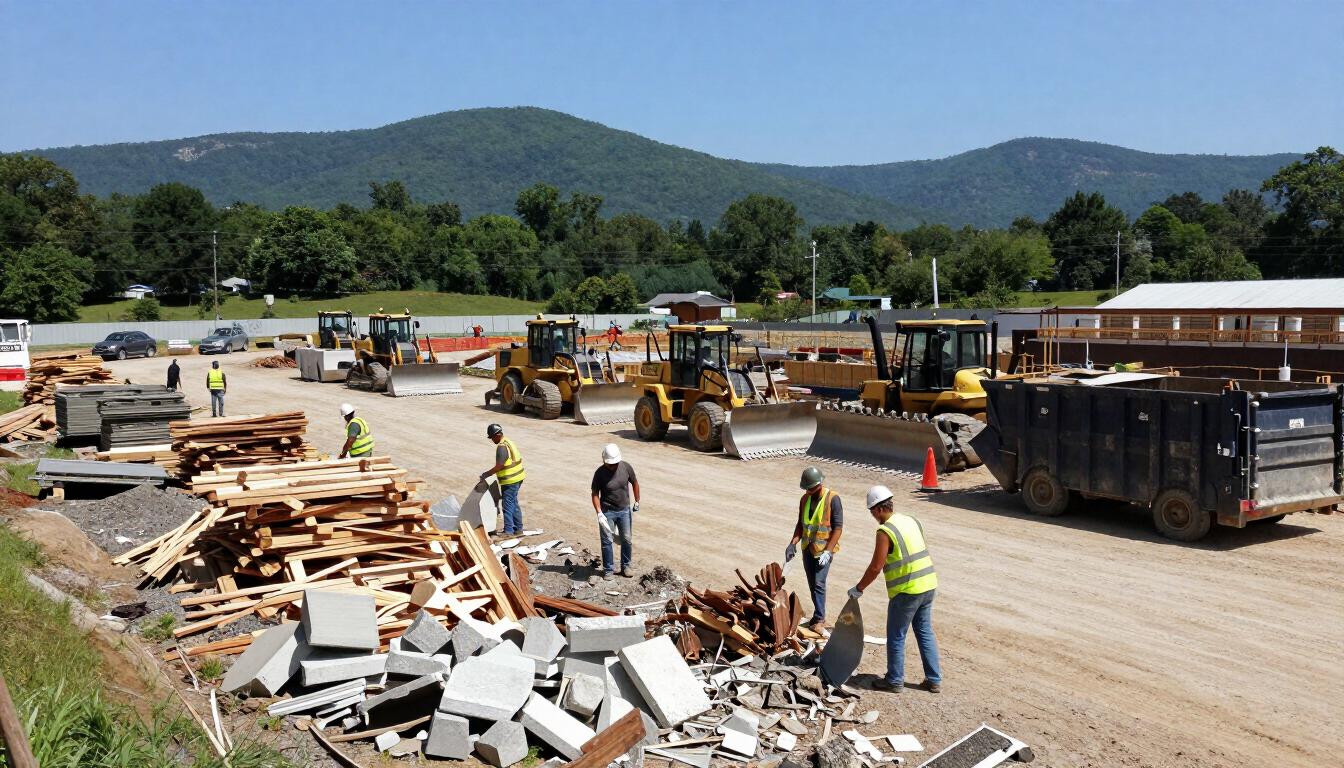
When you're dealing with concrete, whether it's from a patio tear-out, a driveway replacement, or a foundation pour, you're looking at some seriously heavy material. This isn't your average household junk; concrete is dense and weighs a ton – literally.
Choosing the right dumpster for concrete is all about managing that weight. A dumpster that looks big enough might fill up fast with lighter debris, but with concrete, it's the weight that becomes the main issue. You don't want to end up paying extra fees because you went over the weight limit, and you definitely don't want a dumpster that's too small and requires multiple trips.
Here’s what to keep in mind:
- Weight Limits: Concrete is heavy. A standard 10-yard dumpster might only hold a few tons of concrete, whereas it could hold much more of lighter materials. Always check the weight capacity of the dumpster you're considering. A 20-yard dumpster might be a better bet for larger concrete jobs, but even then, you need to be mindful of the weight.
- Dumpster Size: For smaller concrete jobs, like a walkway or a small patio, a 10-yard dumpster might work. For bigger projects, like a driveway or a foundation, you'll likely need a larger dumpster, possibly a 20-yard or even a 30-yard, depending on the volume and thickness.
- Rental Company Policies: Different companies have different rules and weight allowances. Some might offer dumpsters specifically for heavy debris like concrete, which often come with higher weight limits. It's always best to talk to the rental company about your specific project to get their recommendation.
Disposing of concrete often involves specific landfill requirements and fees. Make sure you understand these upfront to avoid surprises. Some places might require you to separate it from other waste, or they might charge a different rate for clean concrete versus mixed debris.
When you're planning your concrete removal, think about how much you're actually removing. A good rule of thumb is to estimate the volume and then consider the density. For instance, a 20-yard dumpster can hold a lot of lighter stuff, but for concrete, it might be closer to its weight limit faster than you think. Getting the right dumpster for heavy debris is key to keeping your project on track and within budget.
When you're done with concrete, don't just leave it lying around. Proper disposal is key to keeping our environment clean and safe. We make it easy to get rid of your old concrete. Visit our website today to learn more about our services and book your disposal!
Wrapping It Up: Your Dumpster Decision
So, picking the right dumpster size, whether it's a 12-yard or a 16-yard, really comes down to what you're actually doing. Think about how much stuff you'll be tossing out and what kind of junk it is. Don't forget to check if you've got enough space where you want it dropped off, too. Getting this right means your cleanup project goes smoother, you don't waste money, and you avoid those annoying extra trips or having a dumpster that's way too big. Take a minute to figure out your project's needs, and you'll be golden.
Frequently Asked Questions
How do I know if I need a 12-yard or 16-yard dumpster?
Think about how much stuff you'll be throwing away. A 12-yard dumpster is good for smaller jobs like a bathroom remodel or cleaning out your garage. A 16-yard dumpster, or sometimes a 20-yard, is better for bigger projects like tearing down a deck or a larger room renovation. It's always better to have a little extra space than to run out!
What's the difference between dumpster sizes?
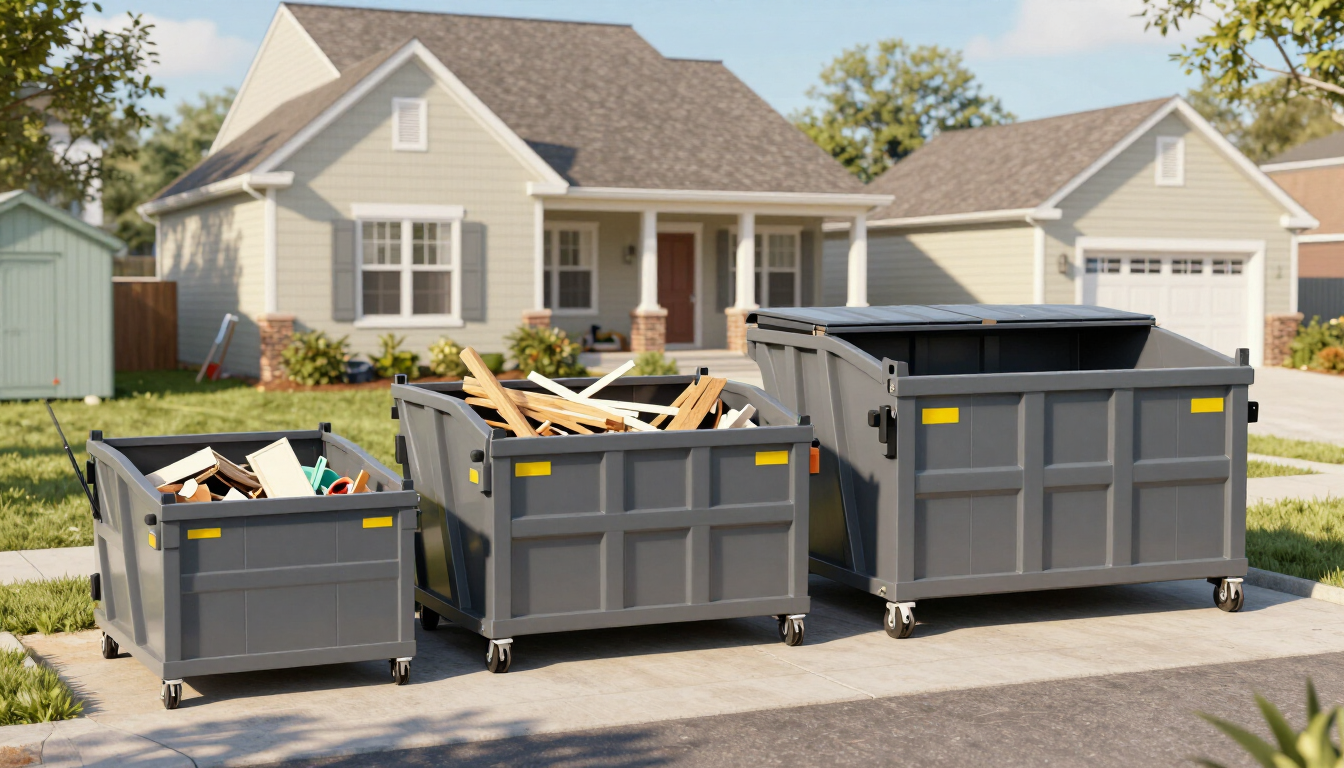
Dumpsters are measured in cubic yards, which is how much space they have inside. A 10-yard dumpster is pretty small, good for things like cleaning out an attic or getting rid of heavy stuff like bricks. A 20-yard or 30-yard dumpster is much bigger and can handle whole house cleanouts or major construction debris. The bigger the number, the more junk it can hold.
Can I put heavy things like concrete in a dumpster?
Yes, but be careful! Heavy materials like concrete, dirt, or bricks weigh a lot. Even if they fit, they can make the dumpster too heavy for its weight limit. For these kinds of jobs, a smaller dumpster like a 10-yard or 12-yard is often recommended to avoid extra fees.
How much stuff can actually fit in a dumpster?
It's not just about how big the dumpster looks. A 10-yard dumpster might hold about 3-4 pickup truck loads of trash. A 20-yard dumpster can hold around 6-10 truck loads. Think about how many trash bags or how much furniture you're getting rid of to get a better idea.
Do I need a lot of space to get a dumpster delivered?
Yes, you do! The delivery truck needs room to get to your spot. Make sure your driveway is clear and has enough space for the dumpster itself, plus room for the truck to maneuver. Also, check for things like low-hanging wires or tree branches that could get in the way.
What happens if my dumpster is too small?
If you fill up a dumpster that's too small, you'll likely have to order another one. This means more money and more time wasted. It's best to estimate your debris carefully and maybe even go a size up if you're unsure, just to be safe and keep your project moving smoothly.