



How to Protect Your Driveway During a Dumpster Rental
Renting a dumpster for a home project is super handy for getting rid of junk. But, let's be real, those big metal bins can cause some serious damage to your driveway. We're talking cracks, dents, and scratches that are a pain and cost a fortune to fix. This guide is all about how to avoid that mess. We'll go over how to prep your driveway, what to put under the dumpster, and how to talk to the rental company. The goal is simple: keep your driveway looking good while you get your cleanup done. It's all about a little planning to save yourself a headache later.
Key Takeaways
- Always clear your driveway completely before the dumpster arrives. Move cars, bikes, and anything else out of the way. Also, check for any existing damage on your driveway. It's better to know about cracks beforehand.
- Use protective materials like thick plywood boards (at least 3/4 inch) or rubber mats. These spread out the dumpster's weight so it doesn't press down on one spot. Think of it as giving the dumpster a sturdy base.
- Figure out how much space the dumpster needs and cover it all. Layering materials, like rubber mats on the bottom and then plywood, offers the best protection. Make sure everything is stable before the dumpster is placed.
- Remember that the weight inside the dumpster matters a lot. Heavy stuff like concrete or dirt puts way more pressure on your driveway than lighter trash. Talk to the rental company about weight limits and your specific waste type.
- Communicate with your dumpster rental company. Ask about their policies on driveway protection and if they offer any services. Request careful placement and be ready to document any issues before and after the rental.
Preparing Your Driveway For Dumpster Rental
Before that big dumpster even rolls onto your property, there are a few things you should do to get your driveway ready. It’s not just about making space; it’s about protecting your pavement from potential damage. Think of it like prepping a canvas before you start painting – you want a clean, stable surface.
Clear the Area Before Delivery
This might seem obvious, but you'd be surprised how many people forget. Get everything off the driveway that doesn't need to be there. This includes:
- Cars, obviously.
- Kids' toys, bikes, scooters.
- Outdoor furniture, planters, decorations.
- Anything else that's just hanging out.
The delivery driver needs a clear, unobstructed path to place the dumpster safely and accurately. If they have to maneuver around obstacles, it increases the chance of something getting bumped or scraped. It also makes their job easier and faster, which is always a good thing. A clear driveway means the dumpster can be placed exactly where you want it, minimizing disruption to your property. You might even want to give your neighbors a heads-up if the dumpster will be near their property line, just as a courtesy.
Inspect Driveway For Existing Damage
Take a good look at your driveway before the dumpster arrives. Are there any existing cracks, chips, or soft spots? If you have asphalt, does it look like it's getting soft in the heat? It’s important to know the condition of your driveway before the weight of a dumpster is added. You don't want to be blamed for damage that was already there. If you spot any issues, it might be worth a quick fix, or at least noting it down. This is also a good time to check for any sharp objects or debris, like loose gravel, that could cause problems later. A quick sweep can go a long way.
Clean and Dry The Surface
Once everything is cleared and you've checked for damage, give the driveway a good cleaning. Sweep up any loose dirt, sand, or gravel. These small particles can get ground into protective materials or even the driveway surface itself under the immense weight of a dumpster, causing scratches or indentations. If there are any oil stains or sticky spots, try to clean those up too. They can make protective barriers less effective or even stick to them. Most importantly, make sure the surface is completely dry. If it recently rained, give it at least 48 hours of dry weather to let the ground underneath firm up. A wet driveway is a weak driveway, and you don't want that dumpster sinking in. A clean, dry surface is the best foundation for whatever protective measures you plan to use, like plywood boards.
Preparing your driveway properly is like giving it a protective shield. It shows you're thinking ahead and helps prevent costly repairs down the line. It's a small effort that pays off big time when the dumpster is gone and your driveway is still in great shape.
Choosing The Right Protective Materials
So, you've got a dumpster coming, and you want to keep your driveway looking nice. That's smart thinking. The biggest worry is usually the weight of the dumpster, especially when it's full, and how those heavy steel wheels can leave marks or even cracks. Luckily, there are a few good options to put between the dumpster and your pavement.
Plywood Boards For Weight Distribution
This is probably the most common go-to for a reason. Plywood is pretty effective at spreading out the weight. You don't want all that pressure concentrated on just the wheels; you want it spread over a bigger area. Using at least two sheets of 3/4-inch thick plywood stacked together is a good starting point. This creates a solid base that can handle a lot of pressure. It’s a pretty affordable way to protect your driveway, especially if you're dealing with a standard home renovation project. You can usually find these at any local hardware store.
Rubber Mats For Asphalt Surfaces
If you have an asphalt driveway, you might want to consider rubber mats. Asphalt can be a bit softer than concrete, especially on warmer days, and can be more prone to gouging. Rubber mats offer a bit more cushioning. Sometimes, people use them in combination with plywood – rubber mat on the driveway, then plywood on top of the rubber, and then the dumpster. This layered approach can offer extra protection. It’s a good idea to check with your dumpster rental company about what they recommend for your specific driveway type.
Commercial Driveway Protectors
These are basically heavy-duty mats specifically designed for this purpose. They're often made from thick rubber or composite materials and are built to withstand serious weight. While they might cost a bit more upfront than just grabbing some plywood, they are reusable and can be a really solid investment if you do a lot of projects that require dumpster rentals. They're designed to be durable and provide excellent weight distribution, making them a top choice for preventing damage. You can often find these through specialized rental services or construction supply stores.
Proper Placement And Layering Techniques
So, you've got your dumpster on the way, and you're thinking about where it's going to sit. It’s not just about shoving it somewhere out of the way; how you position it and what you put under it really matters. Getting this part right can save you a lot of hassle later.
Determine The Required Coverage Area
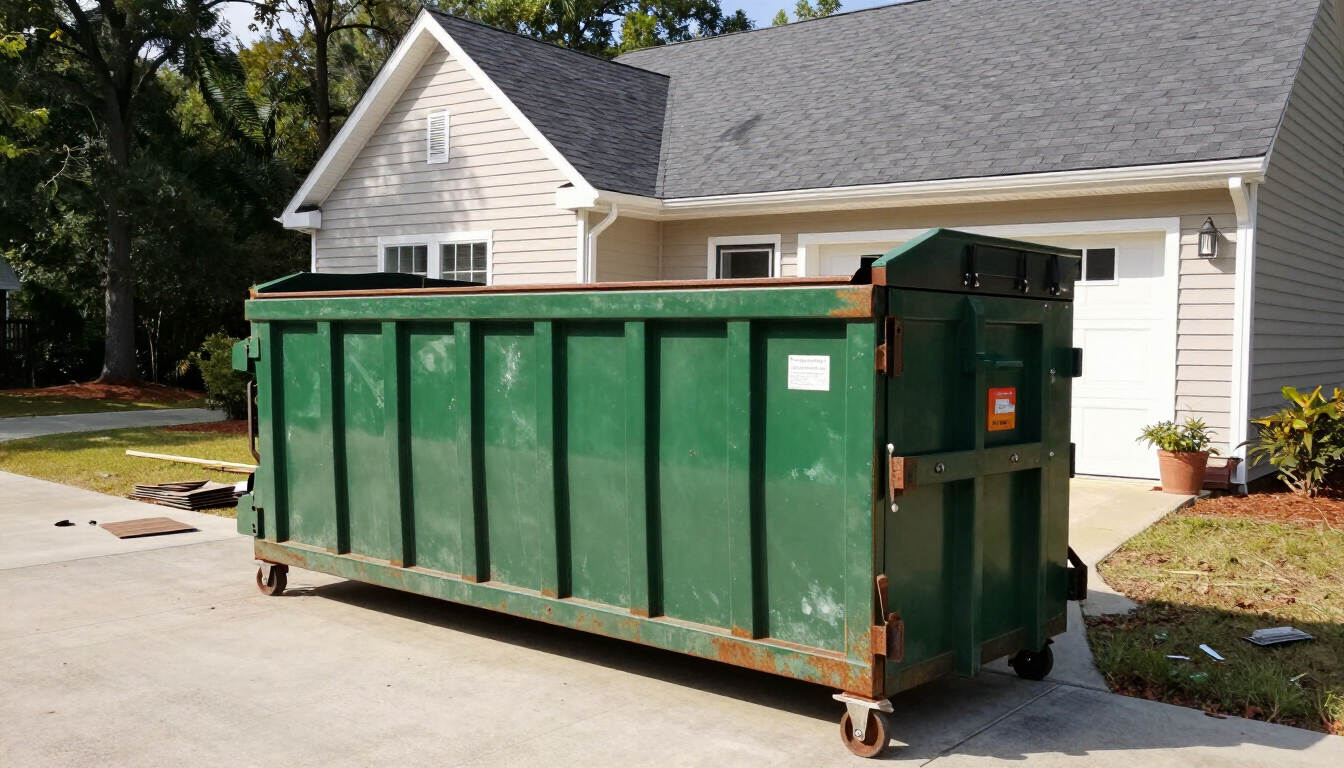
First things first, figure out how much space the dumpster will actually take up. Dumpsters come in different sizes, and you don't want it hanging off the edge of your driveway or blocking something important. Measure the dumpster if you can, or check the rental company's specs. Then, think about the space needed for the truck to maneuver it into place. It’s better to overestimate a bit than to have it dropped in a spot that’s too tight. You'll also want to consider the area around it for easy access while you're loading it up.
Layer Materials For Maximum Protection
Don't just slap down a single piece of plywood. For real protection, especially on asphalt or older concrete, you need layers. Think of it like building a sandwich for your driveway.
- Base Layer: Start with something sturdy like thick plywood or specialized rubber mats. This is your main weight distributor.
- Middle Layer (Optional but Recommended): For really heavy loads, consider adding another layer of plywood or even some heavy-duty cardboard. This adds extra cushioning.
- Top Layer: If you're using plywood, you might want a final layer of something that can handle moisture, like a tarp, especially if rain is in the forecast.
The goal is to spread that immense weight out as much as possible. This prevents the dumpster from sinking or cracking your driveway surface. If you're renting from a place like RollRight Rental & Hauling, they might have specific recommendations or even offer protective materials themselves.
When layering, make sure each piece is flat and secure. Overlapping edges can create uneven spots, which defeats the purpose. You want a solid, stable platform for the dumpster to rest on, not a wobbly mess.
Ensure Stability Before Loading
Before the first piece of trash even gets tossed in, give your protective setup a good once-over. Walk around it, push on the edges, and even try to rock it gently. Everything should feel solid. If you notice any shifting, sliding, or wobbling, stop and fix it. It's way easier to adjust things now than after the dumpster is full and heavy. A stable base is key to preventing damage, so don't skip this final check. You want to be confident that your driveway is protected before the real work begins. This is especially important if you're dealing with a larger dumpster size from a company that handles various projects, like those mentioned by RollRight Rental & Hauling.
Understanding Dumpster Weight And Load Impact
So, you've got a dumpster coming, and you're thinking about your driveway. It's easy to overlook, but that big metal bin, especially when full, can put a serious amount of pressure on your pavement. We're not just talking about a little scuff mark here; we're talking about cracks, dents, and maybe even deeper damage that can get pretty expensive to fix.
How Heavy Loads Affect Driveway Protection
Think about it: a standard 20-yard dumpster can easily weigh over 10,000 pounds when it's loaded up. That's a lot of weight concentrated in a few spots. If your driveway is older, has existing cracks, or is made of asphalt (which can soften in the heat), that weight can cause real problems. The key is distributing that weight evenly. Without proper protection, you're basically asking for trouble, especially if you've got a heavy load.
Consider The Type Of Waste
What you're throwing away makes a big difference. Bricks, concrete, dirt, and old roofing shingles are incredibly dense and heavy. Filling a dumpster with these materials means you're packing in a lot more tonnage than if you were just tossing out old clothes or yard trimmings. This is where using extra layers of protection, like multiple sheets of plywood, becomes really important. It's not just about the size of the dumpster, but what's inside it.
Weight Distribution As The Dumpster Fills
It's not just the final weight that matters, but how that weight changes over time. As you fill the dumpster, the pressure on your driveway increases. If you're using protective materials, you need to make sure they stay put and continue to do their job throughout the rental period. Sometimes, as the dumpster gets heavier, the protective layers can shift or compress, reducing their effectiveness. Keeping an eye on this is part of the process.
The sheer force exerted by a full dumpster can exceed the load-bearing capacity of many residential driveways. This is why proactive measures are so important. It's far better to spend a little on protective materials than to face the cost of significant driveway repairs later on.
When you're planning your rental, it's smart to think about what kind of waste you'll be disposing of. If it's heavy stuff, you'll definitely want to look into heavy-duty protective mats or extra plywood. This foresight can save you a lot of hassle and money down the line, preventing damage before it even happens. Remember, the rental company is focused on getting the dumpster to you, but protecting your property is ultimately your responsibility.
Communication With Your Rental Company
Talking to your dumpster rental company before they drop off that big bin is a really smart move. It’s not just about ordering the right size; it’s about making sure your driveway stays in one piece. Don't assume they know your driveway needs special care.
Here’s what you should chat about:
- Driveway Protection Options: Ask them what they recommend or if they offer any protective materials themselves. Some places might have plywood or mats they can use, sometimes even at no extra charge. It’s always good to know what's available. You can also ask about their experience with driveway-safe dumpster rentals to get a feel for their preparedness.
- Placement Requests: Be super clear about where you want the dumpster to go. If you have a specific spot in mind that’s less likely to cause damage, or if you’ve already laid down some protective layers, tell them. They can often accommodate requests for careful placement, which can save you a lot of headaches later.
- Responsibility Clarification: Understand who is responsible for what. While you’re responsible for preparing your space, it’s good to know if the rental company has any liability if their equipment causes damage due to improper handling. This is a detail that can prevent disputes down the road.
Sometimes, rental companies have specific procedures or recommendations based on the type of dumpster and the typical weight it holds. Getting this information upfront can help you prepare your driveway more effectively. It’s a partnership, really, and open communication makes the whole process smoother for everyone involved.
Remember, they do this all the time, so they might have insights into potential issues you haven't even considered. Discussing the traffic paths they'll use to get the dumpster in and out can also be helpful. A quick call can prevent a costly repair bill.
Maintaining Protection During The Rental Period
So, the dumpster's here, and your driveway's got its protective gear on. Great! But the job isn't quite done yet. You've got to keep an eye on things while that bin is sitting there. It's like having a guest who needs a little supervision.
Monitor Protective Materials Regularly
Think of this as a quick check-up. You want to make sure those plywood boards or rubber mats are still doing their job. Sometimes, especially if it rains or if the dumpster gets loaded unevenly, things can shift. A quick walk-around every day or two can save you a lot of headaches later. You're looking for any spots where the protection might have slipped, compressed too much, or gotten waterlogged. If you notice anything out of place, it's time to fix it.
Address Shifting Materials Promptly
If you see that plywood has slid a bit, or a rubber mat has bunched up, don't just ignore it. That's exactly when the dumpster's weight can start pressing directly onto your driveway surface. You might need to carefully nudge the materials back into place. Sometimes, you might need to temporarily move the dumpster a tiny bit (if the rental company allows and it's safe to do so – check with them first!) to reposition the protection properly. It’s better to deal with a minor adjustment than a major repair down the line. This is especially true if you're dealing with heavy debris inside the bin.
Replace Worn Or Damaged Materials
Materials don't last forever, especially under a heavy load. If you notice that your plywood is starting to crack or splinter, or the rubber mats look really compressed and worn out, they might not be protecting your driveway as well as they should. It’s probably a good idea to swap them out for fresh ones. You can often get good quality protective pads from places that offer dumpster rentals. It’s a small investment to keep your driveway in good shape. Remember, the goal is to keep the dumpster's weight spread out evenly, and worn-out materials just can't do that effectively.
Keeping an eye on your protective setup isn't just about preventing damage; it's about peace of mind. Knowing that you've taken the steps to maintain the protection means you can focus on your project without worrying about what's happening underneath that dumpster.
Post-Rental Inspection And Cleanup
So, the dumpster's gone. Hooray! But before you completely forget about it and move on with your life, there are a couple of things you should do. It's really important to check your driveway after the dumpster is picked up. You don't want to discover a nasty surprise a week later, right?
First off, wait until the rental company has actually driven away with the bin. Sometimes, they might need to reposition it slightly for the final lift, and you don't want to be inspecting a surface that's about to get scraped again. Once it's clear, take a good look.
Here’s a quick checklist for what to do:
- Remove Protection Only After Pickup: Don't start pulling up those plywood boards or rubber mats the second the dumpster is off your property. Give it a few minutes, make sure the truck is completely gone, and then carefully remove your protective layers. You don't want to accidentally damage the driveway while removing the protection.
- Inspect Driveway For Issues: Walk around the area where the dumpster sat. Look for any new cracks, deep gouges, or significant stains. Even with the best protection, heavy loads can sometimes cause minor damage, especially if the driveway is older or has existing weak spots. Pay attention to the edges where the dumpster might have scraped.
- Document Any Concerns Promptly: If you spot anything that looks like damage caused by the rental, take pictures immediately. Having dated photos is super helpful if you need to discuss any issues with the rental company. It's your record of what happened right after the dumpster left.
Sometimes, even with careful planning, a heavy load can leave a mark. It's good to know what to look for and have a plan for addressing it. Early detection is key to preventing small problems from becoming big, expensive ones.
Think of this as the final step in the whole dumpster rental process. It’s a quick check that can save you a lot of headaches down the road and helps keep your driveway in good shape for years to come. If you're renting a dumpster for a big project, like a major home renovation, it's always a good idea to check out driveway-safe dumpster options beforehand to minimize potential issues.
After your rental, we make sure everything is clean and tidy. We check the dumpster carefully to make sure it's in good shape and ready for its next job. If you need help with the final cleanup, just let us know! Visit our website to learn more about our services.
Wrapping It Up
So, there you have it. Renting a dumpster doesn't have to mean a damaged driveway. A little bit of planning and a few simple materials can make all the difference. By taking these steps, you're not just protecting your pavement; you're saving yourself potential headaches and repair costs down the road. It’s really about being prepared, and honestly, that goes for most projects, right? Just remember to communicate with your rental company and get those protective layers down before the truck even pulls up. Your driveway will definitely thank you.
Frequently Asked Questions
How can I stop a dumpster from messing up my driveway?
The best way to protect your driveway is to put down a barrier before the dumpster arrives. Think of thick plywood boards or special rubber mats. These spread out the heavy weight of the dumpster so it doesn't press down too hard on one spot. Always clear the area first and check for any existing cracks.
What kind of materials should I use to protect my driveway?
Thick plywood, at least 3/4 inch, is a popular choice because it's strong and covers a good area. Heavy-duty rubber mats are also great, especially for asphalt driveways, as they can handle heat and provide cushioning. Some people use multiple layers, like rubber mats topped with plywood, for extra safety.
Does the rental company help with driveway protection?
Usually, it's up to you to protect your driveway. The rental company focuses on dropping off and picking up the dumpster. It's a good idea to ask them about their policies when you book and to have your protective materials ready before they arrive.
How much weight can a dumpster really put on a driveway?
A lot! A full dumpster can weigh thousands of pounds. The steel wheels concentrate that weight, which can easily crack concrete or leave deep marks in asphalt, especially on hot days when asphalt gets soft. Heavy stuff like rocks, dirt, or old concrete makes it even worse.
What should I do after the dumpster is picked up?
Don't rush to remove your protective materials right away. Wait until the dumpster is completely gone. Then, carefully take away the boards or mats. After that, check your driveway closely for any new cracks, dents, or scratches. If you see any damage, take pictures and tell the rental company as soon as possible.
Is it really necessary to protect my driveway for a short dumpster rental?
Yes, it's almost always a good idea. Even a short rental can cause damage if the dumpster is heavy or the weather is bad. Asphalt is especially sensitive to heat and weight. Fixing a damaged driveway can cost a lot more than a few sheets of plywood, so it's better to be safe than sorry.